Restoration of degraded habitats
Baseline strategy · No scoreIt recovers ecological functions, soil, water and biological communities through long-term objectives and monitoring.
How it works
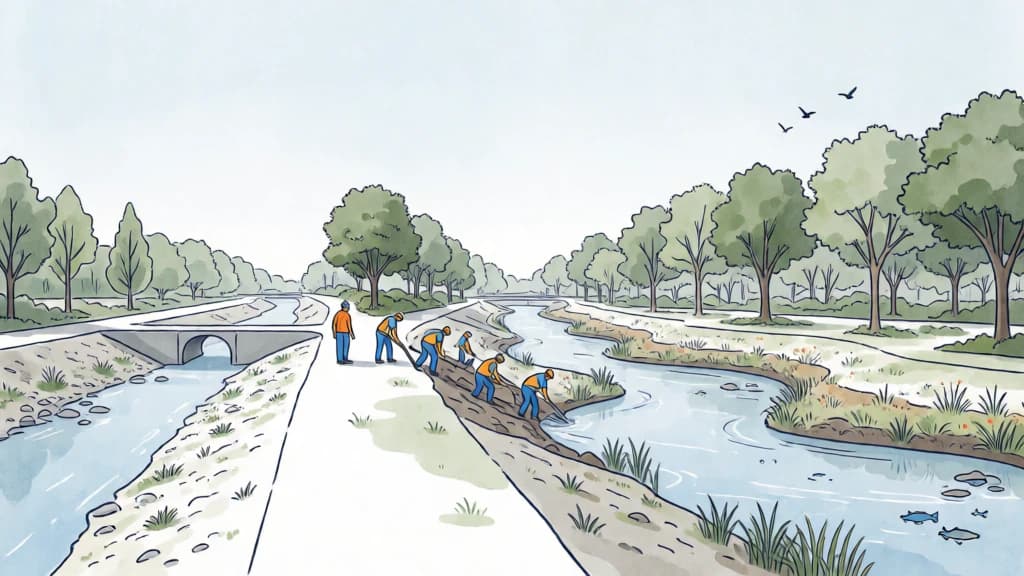
It recovers ecological functions, soil, water and biological communities through long-term objectives and monitoring.
Protects and recovers ecological processes, soil, water, vegetation, fauna and connectivity through decisions adapted to the place and maintained over time.
When does it make sense?
- Before altering soil, water or vegetation
- With specific ecological objectives and a baseline
- When you can ensure long-term maintenance and monitoring
How to apply it
- 1
Defining what needs resolves "restore of degraded habitats" and establishing a starting position.
- 2
Compare alternatives and adapt design to climate, use, regulation, affected people and available resources.
- 3
Apply with clear responsibilities, check the actual result and correct unwanted effects.
Potential benefits
More habitat and connectivity
More functional soil and water
Increased ecological resilience
Limitations and precautions
- The result depends on context, design, execution and how it is used and maintained.
- Adding vegetation does not automatically compensate for the loss of an existing habitat.
- Invasive species, ecological traps and unfollowed claims should be avoided.
Keep Exploring
Related strategies