Reduction of long-distance travel
Baseline strategy · No scoreIt replaces long journeys by nearby alternatives, remote meetings or group trips when purpose permits.
Subject: MobilityContext: Companies · Institutions · Daily lifeCost: freeEffort: mediumLevel: recommendedStage: planning or operationMaturity: context-dependent
How it works
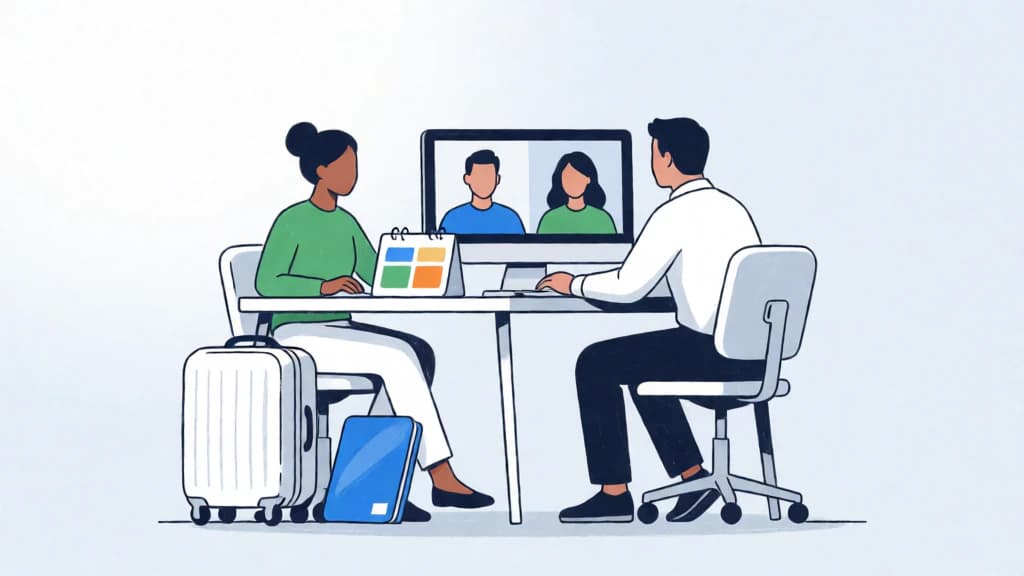
It replaces long journeys by nearby alternatives, remote meetings or group trips when purpose permits.
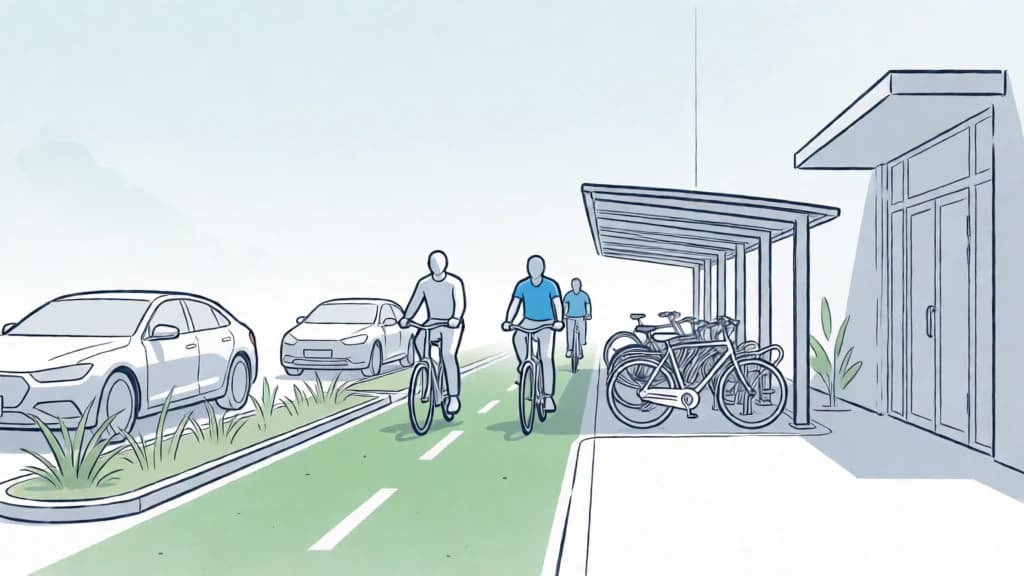
It changes the physical, economic and organizational conditions so that walking, pedaling, sharing and using collective transport is viable and attractive.
When does it make sense?
- When deciding location, accesses and parking
- Knowing origins, schedules, capabilities and travel needs
- Where the measure does not displace more inclusive or less impact options
How to apply it
- 1
Defining what need resolves "reduction of long distance travel" and establishing a starting situation.
- 2
Compare alternatives and adapt design to climate, use, regulation, affected people and available resources.
- 3
Apply with clear responsibilities, check the actual result and correct unwanted effects.
Potential benefits
Less emissions and traffic
More physical activity
More efficient use of space
Limitations and precautions
- There are commissions, family care and fieldwork that require travel; the distance alternative does not replace all presence.
- An isolated infrastructure can have little effect without continuity, security and operation.
- Accessibility, care, hours and people without alternatives should be considered.
Keep Exploring
Related strategies