Recycling with traceability
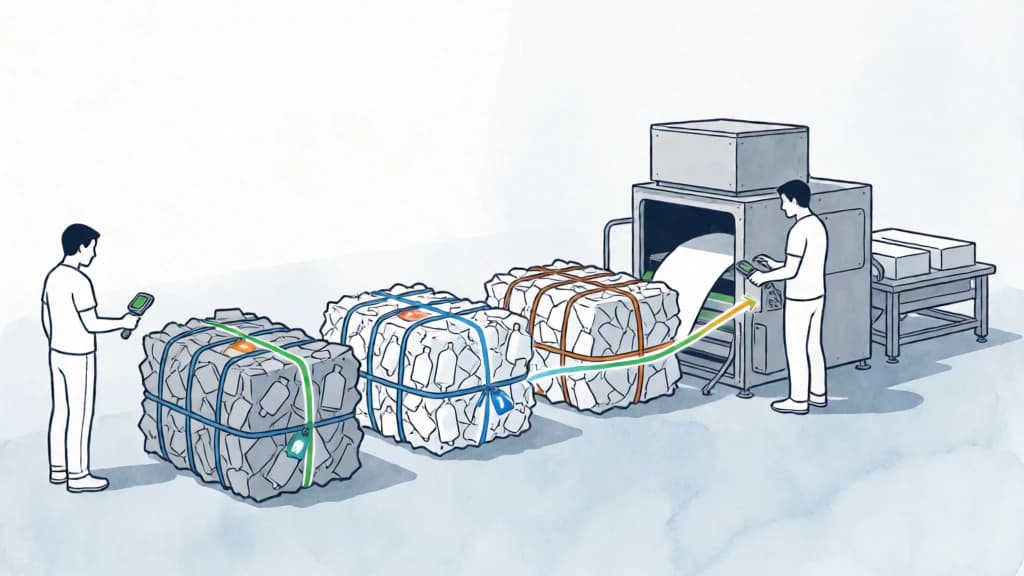
Baseline strategy · No scoreDeliver separate materials to verifiable chains and measure real destinations without confusing recyclability with effective recycling.
How it works
Deliver separate materials to verifiable chains and measure real destinations without confusing recyclability with effective recycling.
It follows a hierarchy: prevent, keep in use, reuse, repair, recycle and safely treat only what could not be avoided.
When does it make sense?
- Since the purchase and design, not only at the end of the process
- With known quantities, compositions and destinations
- Where traceable responsibilities and managers exist
How to apply it
- 1
Define what needs resolves "recycling with traceability" and establish a starting situation.
- 2
Compare alternatives and adapt design to climate, use, regulation, affected people and available resources.
- 3
Apply with clear responsibilities, check the actual result and correct unwanted effects.
Potential benefits
Reduced use of resources
Less final waste
Increased value recovery
Limitations and precautions
- The result depends on context, design, execution and how it is used and maintained.
- Valuation should not conceal opportunities for prevention or reuse.
- Separate materials without a real and traceable destination does not guarantee their recovery.
Keep Exploring
Related strategies