Microturbines and distributed generation
Baseline strategy · No scoreIt generates energy near consumption in specialized applications, evaluating fuel, emissions, noise, maintenance and non-burning alternatives.
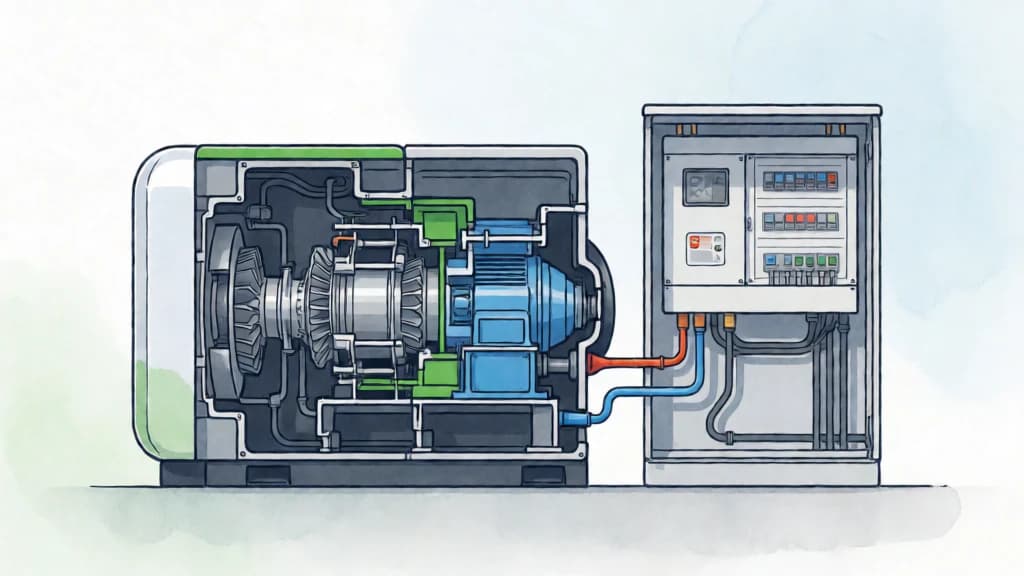
How it works
It generates energy near consumption in specialized applications, evaluating fuel, emissions, noise, maintenance and non-burning alternatives.
It reduces emissions and pressure on the network by combining efficient demand, clean generation, storage and flexible operation at the right scale.
When does it make sense?
- After prioritizing demand reduction and efficiency
- With resource, demand and network connection characterized
- When safety, maintenance, provenance and end of life are resolved
How to apply it
- 1
Define what needs resolves "microturbines and distributed generation" and establish a starting situation.
- 2
Compare alternatives and adapt design to climate, use, regulation, affected people and available resources.
- 3
Apply with clear responsibilities, check the actual result and correct unwanted effects.
Potential benefits
Lower operational emissions
Greater renewable integration
More resilience and flexibility
Limitations and precautions
- The result depends on context, design, execution and how it is used and maintained.
- Technology is not sustainable by name: resource, fuel, scale and life cycle matter.
- Some options are transitioning or only make sense in applications that are difficult to electrify.
Keep Exploring
Related strategies