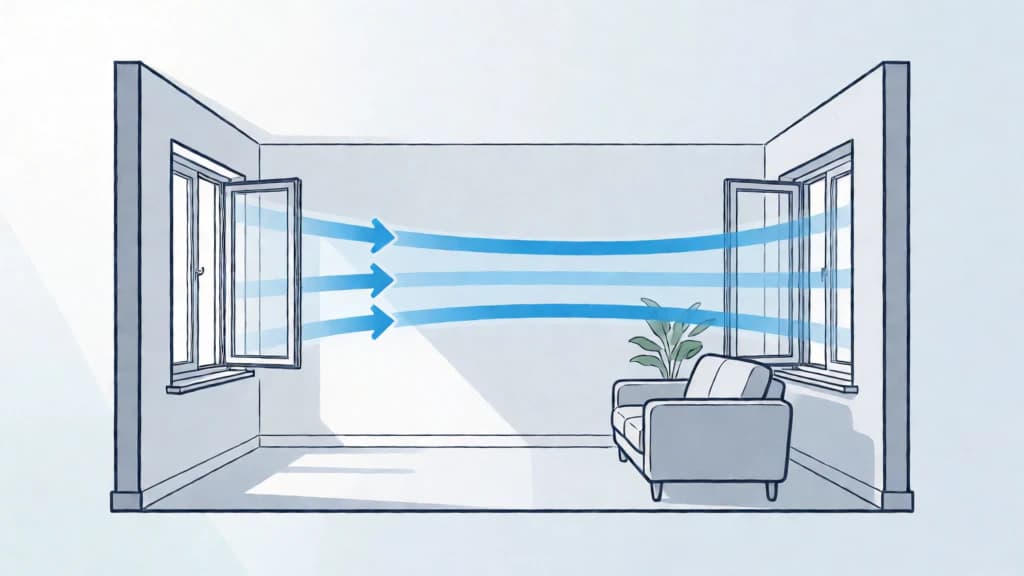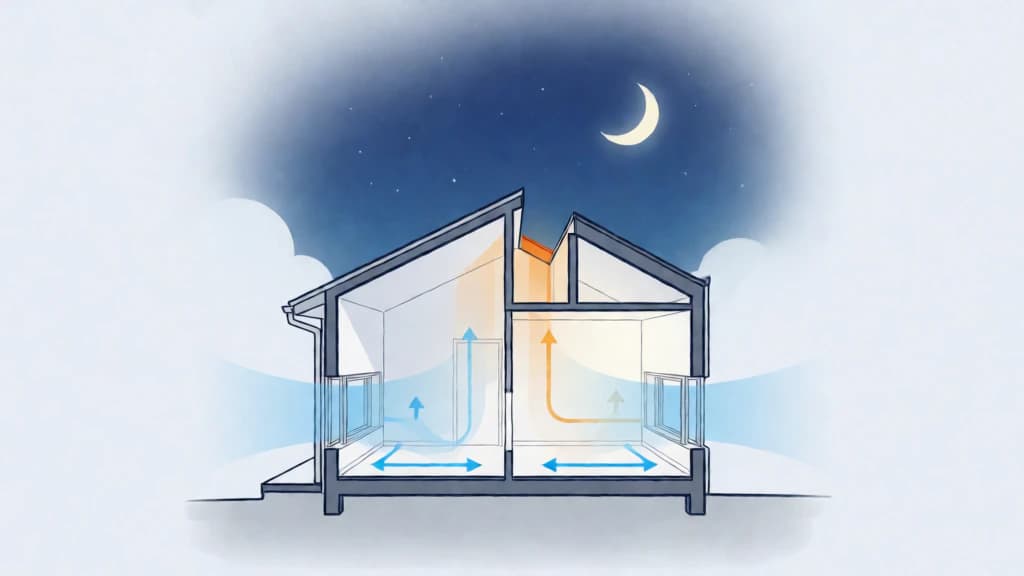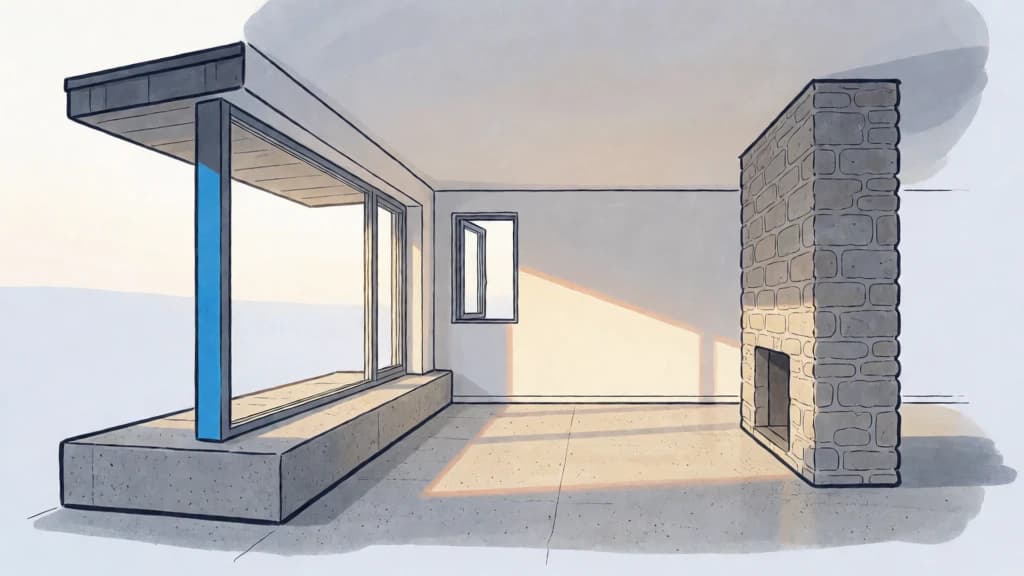
Bioclimatic shape and geometry
Baseline strategy · No scoreAdjust compactness, depth, height and distribution to balance light, ventilation, thermal losses and gains.
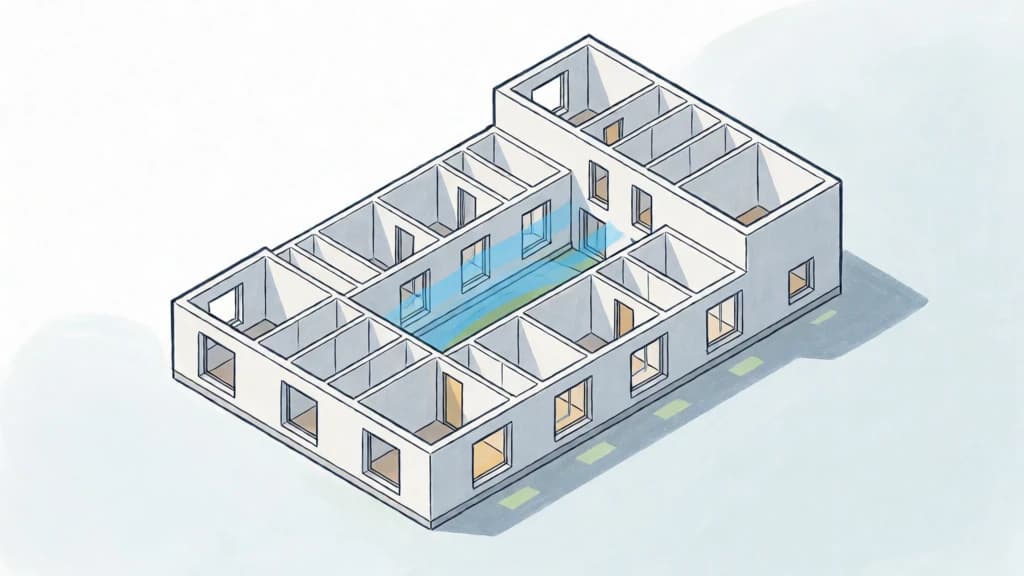
How it works
Adjust compactness, depth, height and distribution to balance light, ventilation, thermal losses and gains.
It acts on the shape and envelope to moderate outdoor conditions before resorting to facilities. Measurements should work together, not as isolated pieces.
When does it make sense?
- In new construction or rehabilitation of the envelope
- After analyzing climate, orientation, use and humidity risks
- When it is possible to check the designed detail and execution
How to apply it
- 1
Defining what need resolves "bioclimatic shape and geometry" and establishing a starting situation.
- 2
Compare alternatives and adapt design to climate, use, regulation, affected people and available resources.
- 3
Apply with clear responsibilities, check the actual result and correct unwanted effects.
Potential benefits
Lower thermal demand
Increased comfort and resilience
Lower equipment dependency
Limitations and precautions
- The result depends on context, design, execution and how it is used and maintained.
- A poorly adapted passive solution can cause overheating, humidity or poor air quality.
- Performance depends on both implementation and concept.
Keep Exploring
Related strategies