Variable fertilization by area
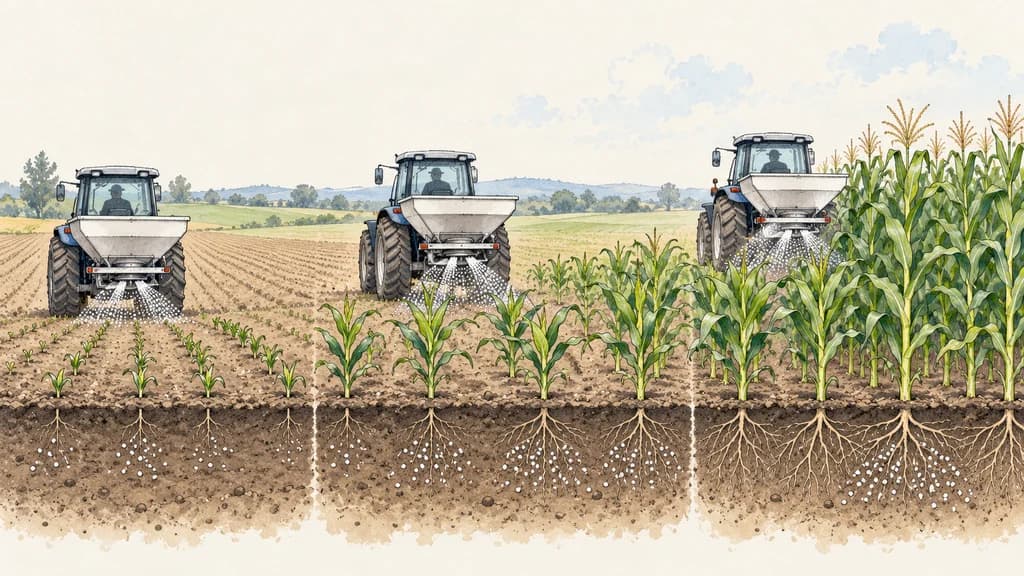
Baseline strategy · No scoreIt adapts contributions to proven differences in soil and cultivation within the plot.
Subject: Agriculture and cropsContext: Agriculture · Crops · Rural environmentCost: highEffort: highLevel: ambitiousStage: planning and operationMaturity: context-dependent
How it works
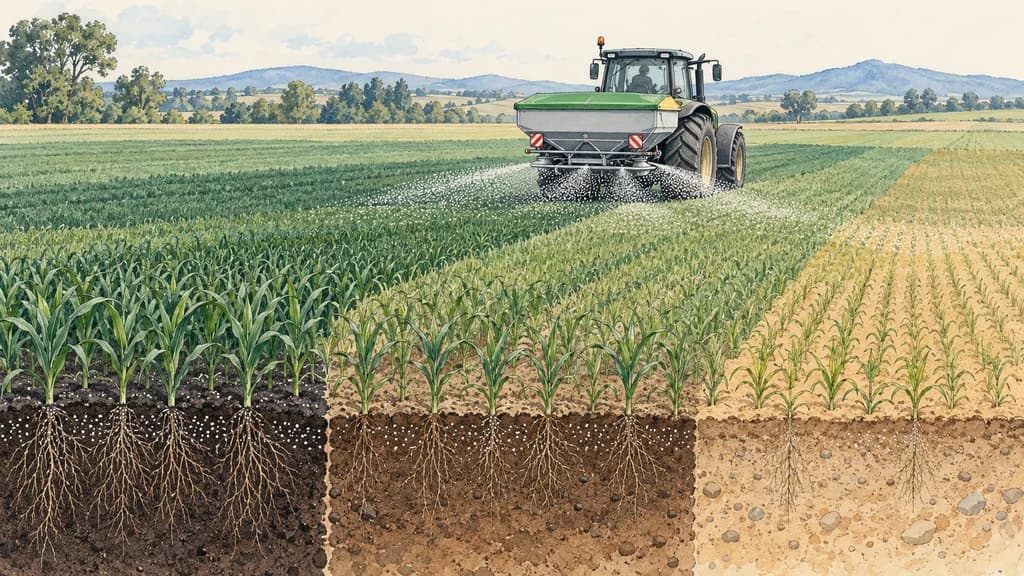
It adapts contributions to proven differences in soil and cultivation within the plot.
Agricultural management combines soil protection, efficient use of nutrients and water, pest control and biodiversity conservation.
When does it make sense?
- Cultivation, soil, climate and water availability are known
- Practice can be tested on an appropriate scale
- Performance and impacts are measured without shifting problems
How to apply it
- 1
Delimit the measurement and measure the starting position.
- 2
Apply the measure with competent personnel and check for site-specific risks.
- 3
Follow results, maintain the solution and correct unwanted effects.
Potential benefits
Better protected soil and water
Lower reliance on inputs
Increased crop resilience
Limitations and precautions
- It requires reliable maps and checking that the investment brings net benefits.
- The advantages vary between crops, seasons and regions.
- Production, water consumption and any transfer of impacts should be monitored.
Keep Exploring
Related strategies