Electrification of heat in steel industry
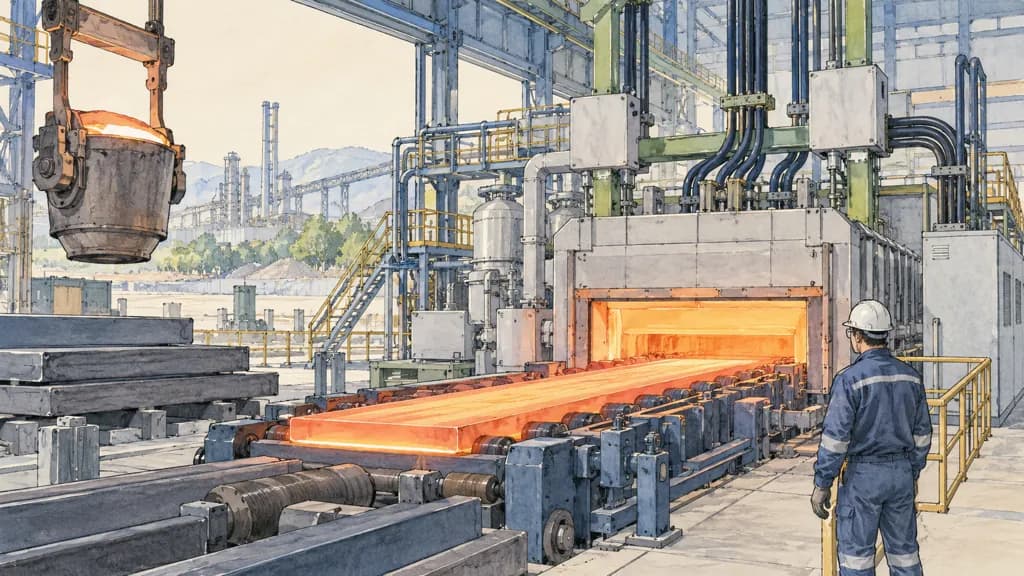
Baseline strategy · No scoreIt replaces combustion in auxiliary processes and reheating compatible with low-emission electric heat.
Subject: Steel and industryContext: Steel · Industry · Manufacture of steelCost: highEffort: highLevel: ambitiousStage: planning and operationMaturity: context-dependent
How it works
It replaces combustion in auxiliary processes and reheating compatible with low-emission electric heat.
Steel improvement combines lower emission routes, material performance, energy efficiency and water, air and waste control.
When does it make sense?
- The production route and quality required are known
- Energy, material and emissions balance can be measured
- Product safety and durability are maintained
How to apply it
- 1
Delimit the measurement and measure the starting position.
- 2
Apply the measure with competent personnel and check for site-specific risks.
- 3
Follow results, maintain the solution and correct unwanted effects.
Potential benefits
Lower resource intensity
Less emissions or waste
Increased use of steel
Limitations and precautions
- The benefit must be verified under the actual conditions of application.
- An improvement per tonne can coexist with more total emissions.
- The routes depend on scrap, electricity, mineral and infrastructure available.
Keep Exploring
Related strategies