Initial environmental diagnosis and baseline
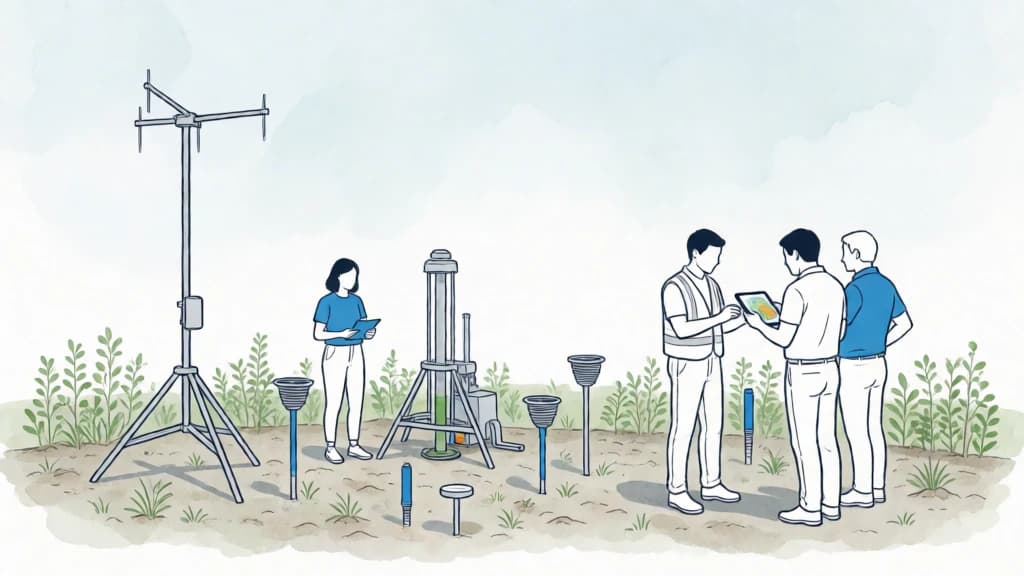
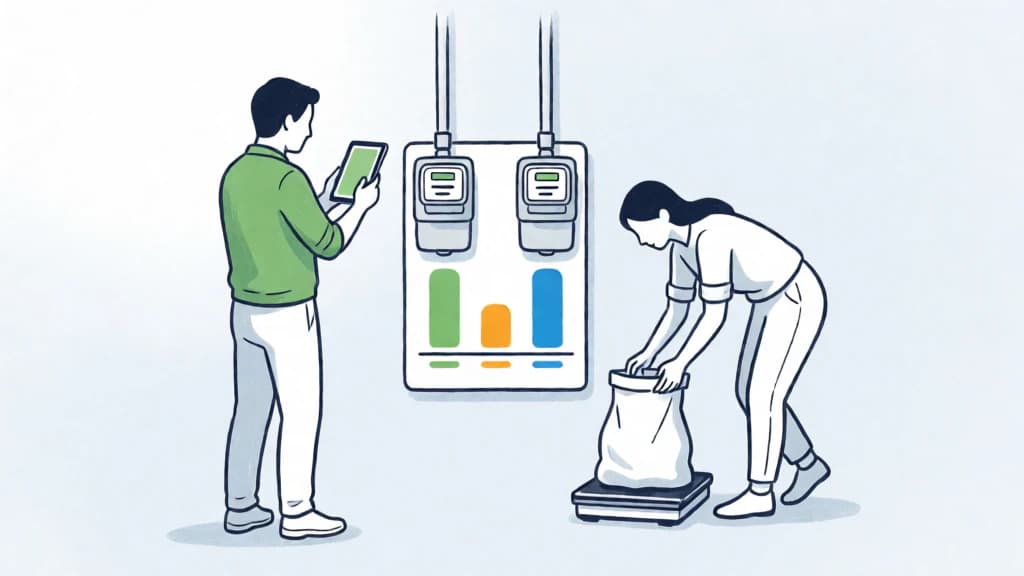
Baseline strategy · No scoreDetermines where it is part of consumption, waste and emissions before setting targets, so that improvements can be attributed afterwards.
How it works
Determines where it is part of consumption, waste and emissions before setting targets, so that improvements can be attributed afterwards.
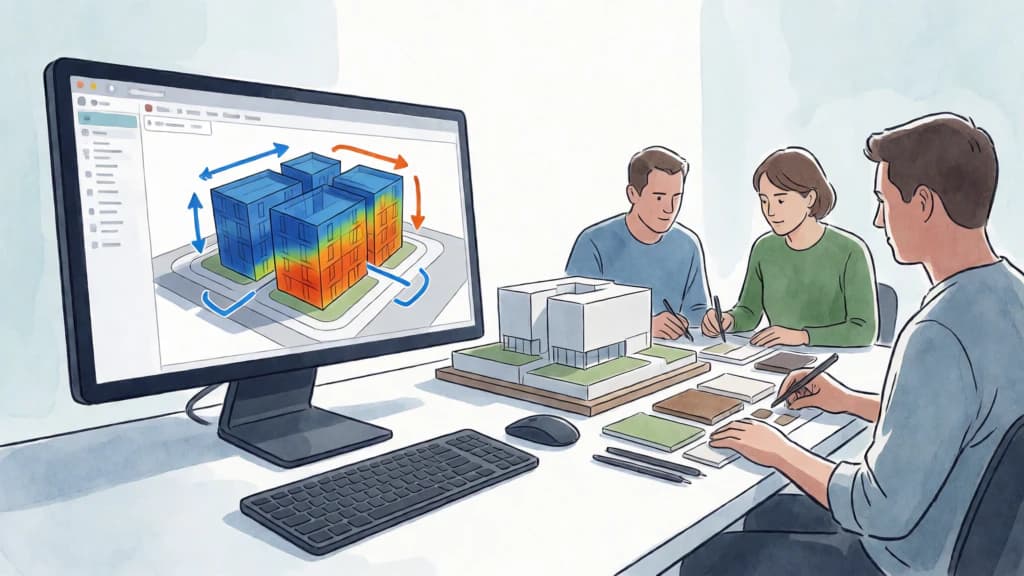
It converts objectives into verifiable decisions through simulation, measurement, review, learning and clear responsibilities throughout the life cycle.
When does it make sense?
- Before irreversible decisions and after putting the system into use
- When there is a specific question the data can answer
- With defined data quality, privacy, responsibility and subsequent actions
How to apply it
- 1
Define what needs resolves "initial environmental diagnosis and baseline" and establish a starting situation.
- 2
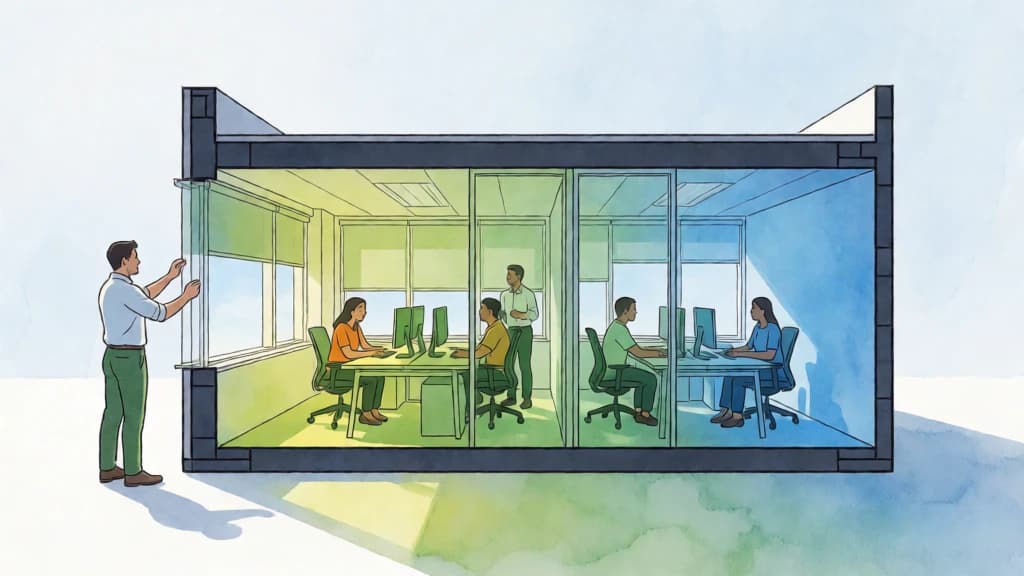
Compare alternatives and adapt design to climate, use, regulation, affected people and available resources.
- 3
Apply with clear responsibilities, check the actual result and correct unwanted effects.
Potential benefits
More informed decisions
Early detection of failures
Learning and continuous improvement
Limitations and precautions
- A baseline taken in an atypical period then distorts all comparison.
- Measuring without ability to act adds complexity without improving results.
- Models and certifications depend on assumptions, scope, data and verification.
Keep Exploring
Related strategies