Habitat creation
Baseline strategy · No scoreIt incorporates food, shelter, water and connectivity for target species without generating ecological traps.
How it works
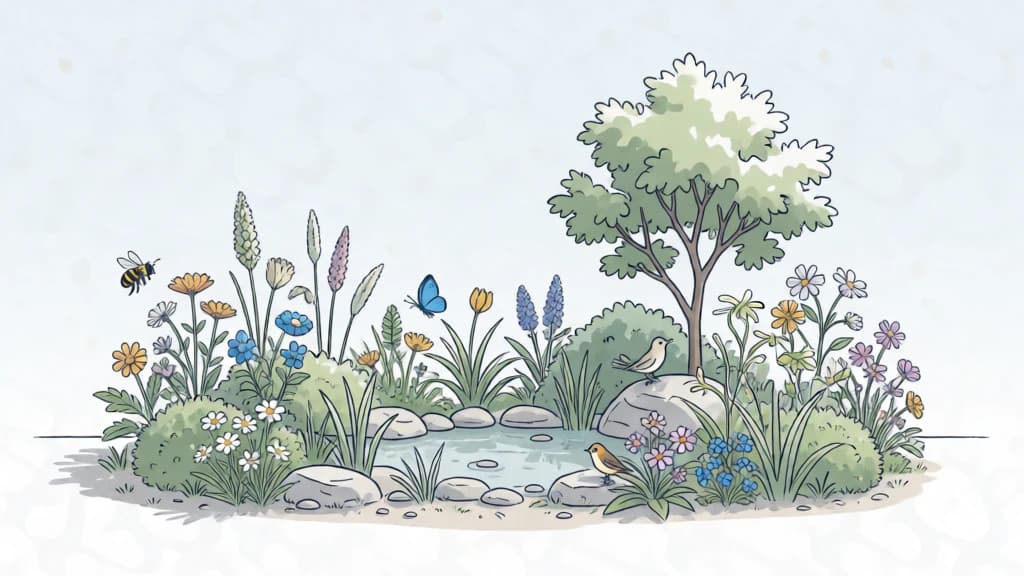
It incorporates food, shelter, water and connectivity for target species without generating ecological traps.
Protects and recovers ecological processes, soil, water, vegetation, fauna and connectivity through decisions adapted to the place and maintained over time.
When does it make sense?
- Before altering soil, water or vegetation
- With specific ecological objectives and a baseline
- When you can ensure long-term maintenance and monitoring
How to apply it
- 1
Defining what needs resolves "habitation creation" and establishing a starting situation.
- 2
Compare alternatives and adapt design to climate, use, regulation, affected people and available resources.
- 3
Apply with clear responsibilities, check the actual result and correct unwanted effects.
Potential benefits
More habitat and connectivity
More functional soil and water
Increased ecological resilience
Limitations and precautions
- The result depends on context, design, execution and how it is used and maintained.
- Adding vegetation does not automatically compensate for the loss of an existing habitat.
- Invasive species, ecological traps and unfollowed claims should be avoided.
Keep Exploring
Related strategies