Light trays
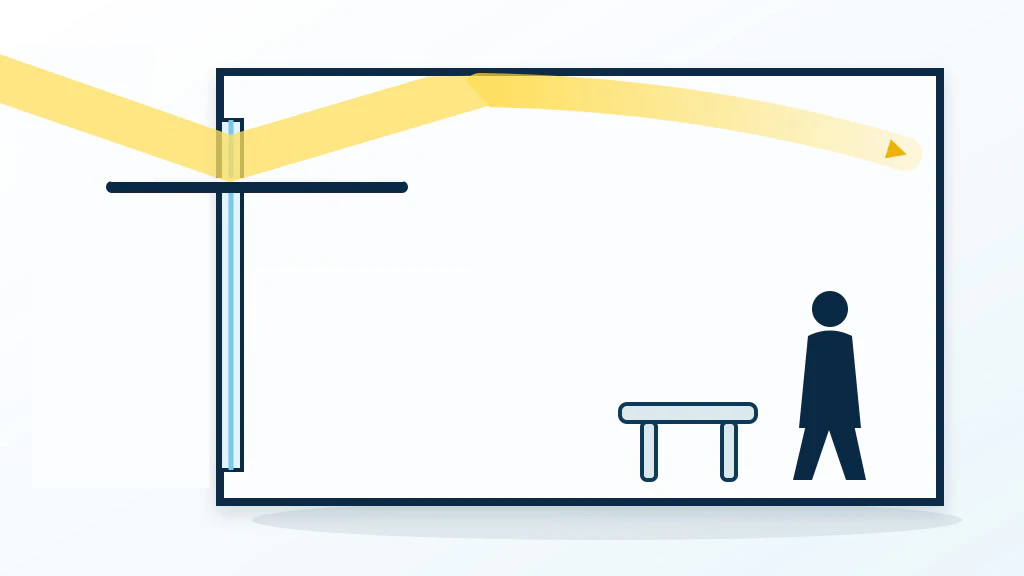
Baseline strategy · No scoreThey reflect daylight to deep areas and shade the bottom of the hole when well dimensioned.
Subject: LightingContext: Buildings · Offices · EducationCost: mediumEffort: highLevel: recommendedStage: designMaturity: context-dependent
How it works
They reflect daylight to deep areas and shade the bottom of the hole when well dimensioned.
It combines daylight, electrical lighting and control to offer visibility and comfort with the lowest possible consumption and disturbance.
When does it make sense?
- When organizing holes, interiors, stalls and circuits
- When the visual need for each activity can be measured
- With participation of users and security care
How to apply it
- 1
Defining what need resolves "light bands" and establishing a starting situation.
- 2
Compare alternatives and adapt design to climate, use, regulation, affected people and available resources.
- 3
Apply with clear responsibilities, check the actual result and correct unwanted effects.
Potential benefits
Visual comfort
Lower power consumption
Better relationship with usage rates
Limitations and precautions
- The result depends on context, design, execution and how it is used and maintained.
- More light does not necessarily imply better visibility or well-being.
- Dazzling should be avoided and safety, accessibility and biodiversity respected.
Keep Exploring
Related strategies