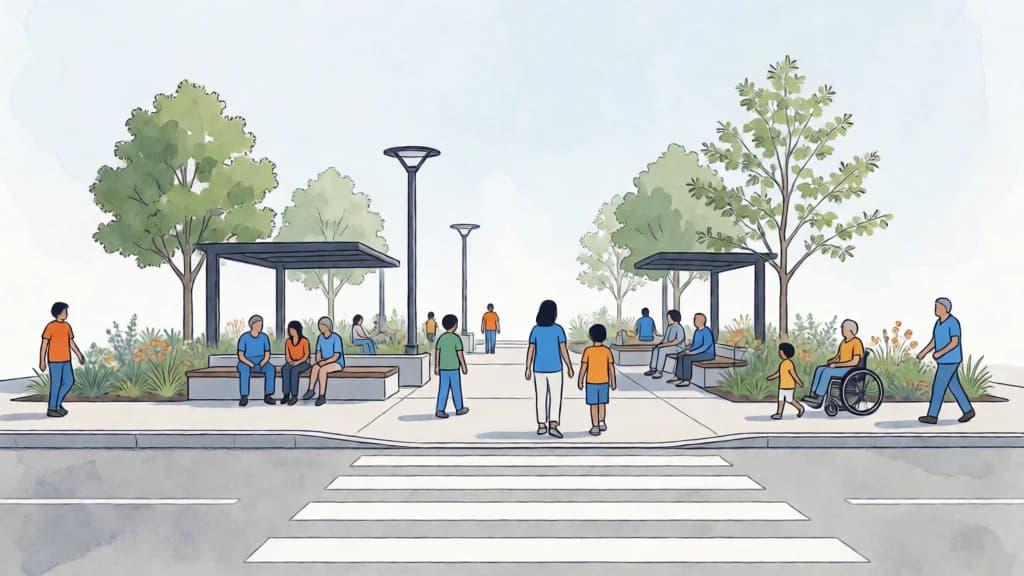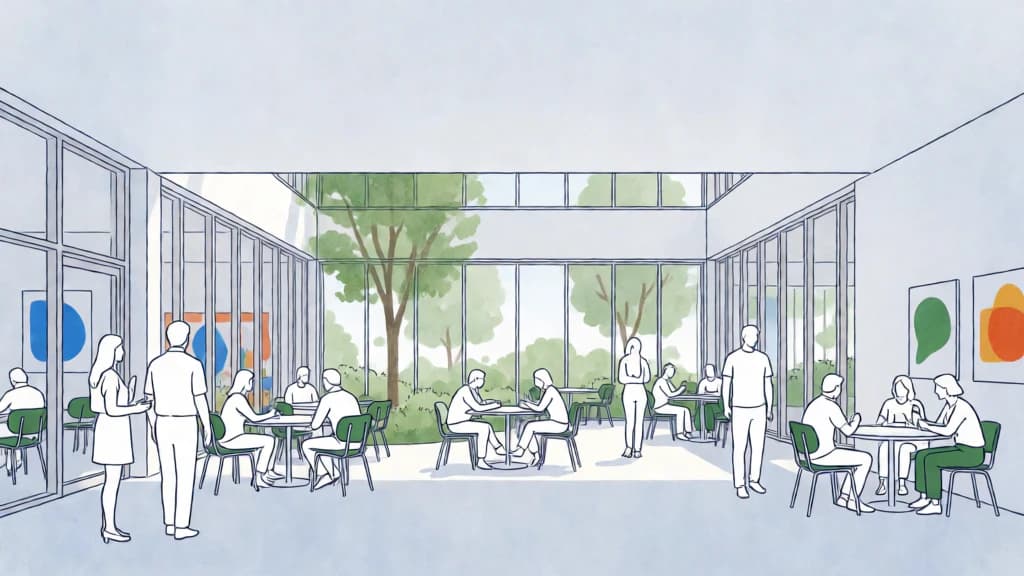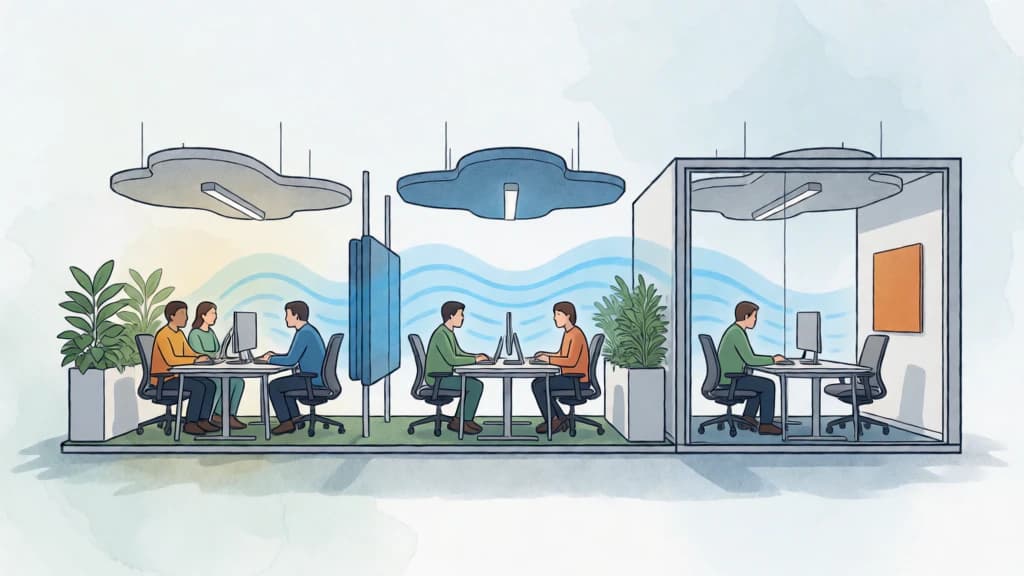
Art, education, activity and leisure
Baseline strategy · No scoreIt integrates opportunities to learn, create, move, meet and enjoy as part of a sustainable environment.
How it works
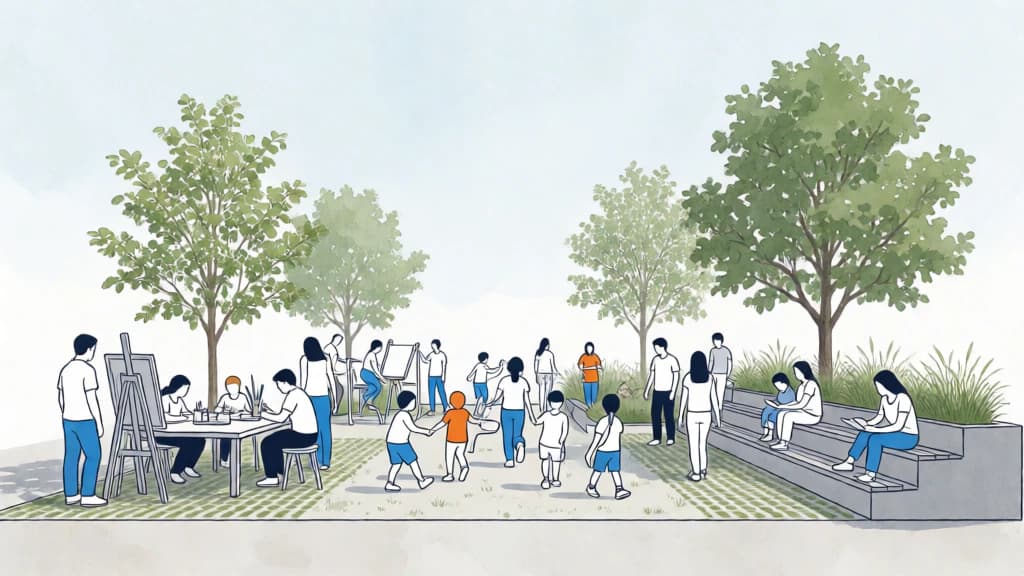
It integrates opportunities to learn, create, move, meet and enjoy as part of a sustainable environment.
It places people, communities and other living beings in the center, caring for health, safety, dignity, culture, accessibility and quality of experience.
When does it make sense?
- Since the definition of objectives and with participation of those who will be affected
- Where benefits, burdens and possible exclusions can be identified
- With qualitative and quantitative indicators provided and respectful of privacy
How to apply it
- 1
Defining what need resolves "art, education, activity and leisure" and establishing a starting situation.
- 2
Compare alternatives and adapt design to climate, use, regulation, affected people and available resources.
- 3
Apply with clear responsibilities, check the actual result and correct unwanted effects.
Potential benefits
More health and welfare
Increased inclusion and membership
Lasting social and economic value
Limitations and precautions
- The result depends on context, design, execution and how it is used and maintained.
- Well-being cannot be reduced to a single metric or imposed without listening to people.
- Partnerships with productivity or economic value should be measured without promising automatic causality.
Keep Exploring
Related strategies